
In almost every organisation there is a gap nobody quite talks about: the distance between what management expects of the interiors, and the tools given to the people who actually have to keep them looking good.
Let me describe three perspectives I meet in almost every single building we walk into. They belong to the same business, but they rarely see the world quite the same way.
Procurement and finance: the expectations
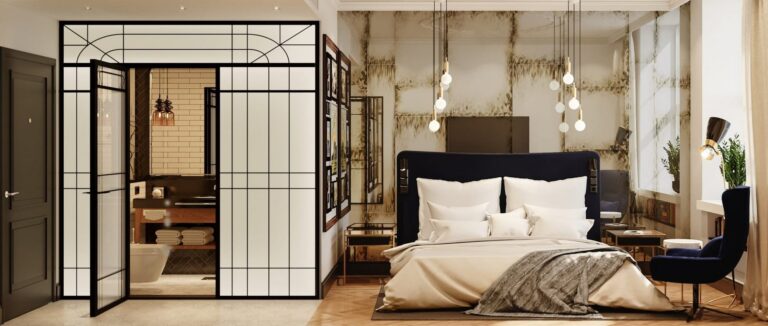
Here, the interiors are an investment. Considerable sums have been spent on furniture and textiles meant to signal quality, and the expectation is obvious: this should last, and it should look good for many years. Lifespan, value preservation and predictable cost are the language spoken here.
Operations and maintenance: the reality
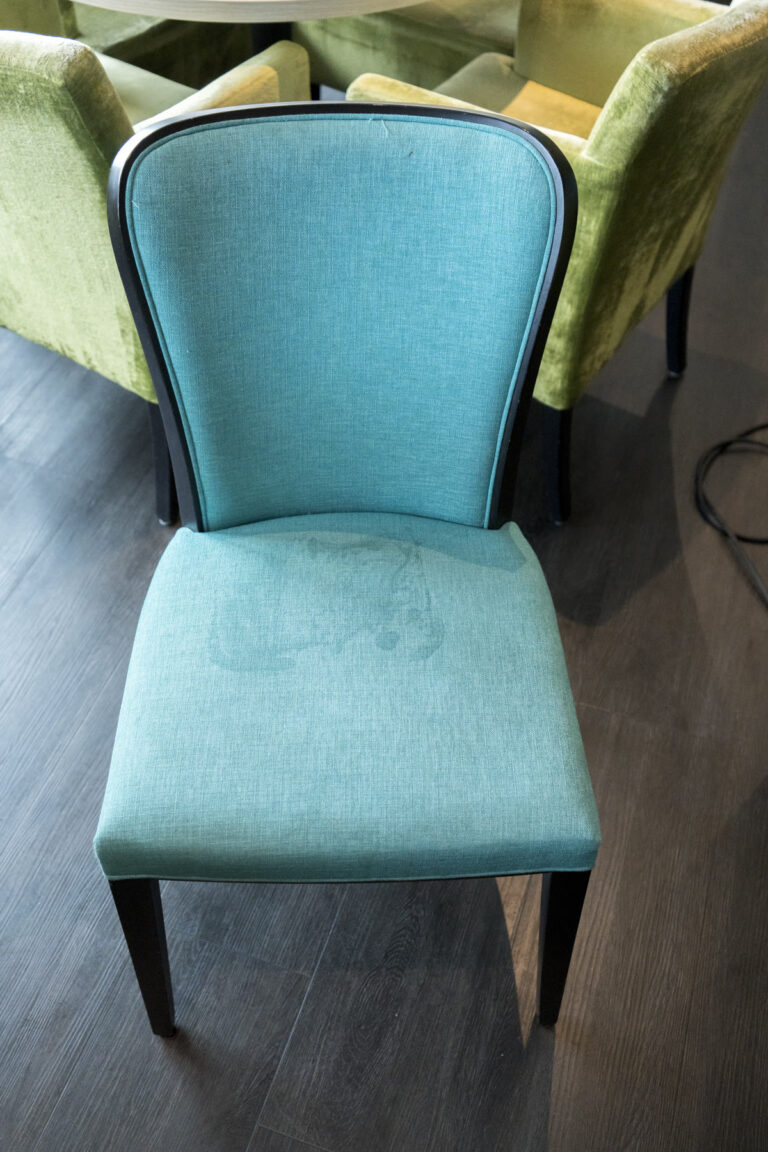
Then the responsibility lands with operations, the executive housekeeper and the cleaning team — but the toolbox does not come with it. Time for maintenance is the one thing nobody gets more of. Staffing does not grow because the interiors got more expensive. When an accident sets as a permanent stain, there is rarely a good answer: either live with it, or order a costly emergency clean. The expectation of interiors “as new” meets a working day where there is barely time for the essentials.
Market and customer: the verdict
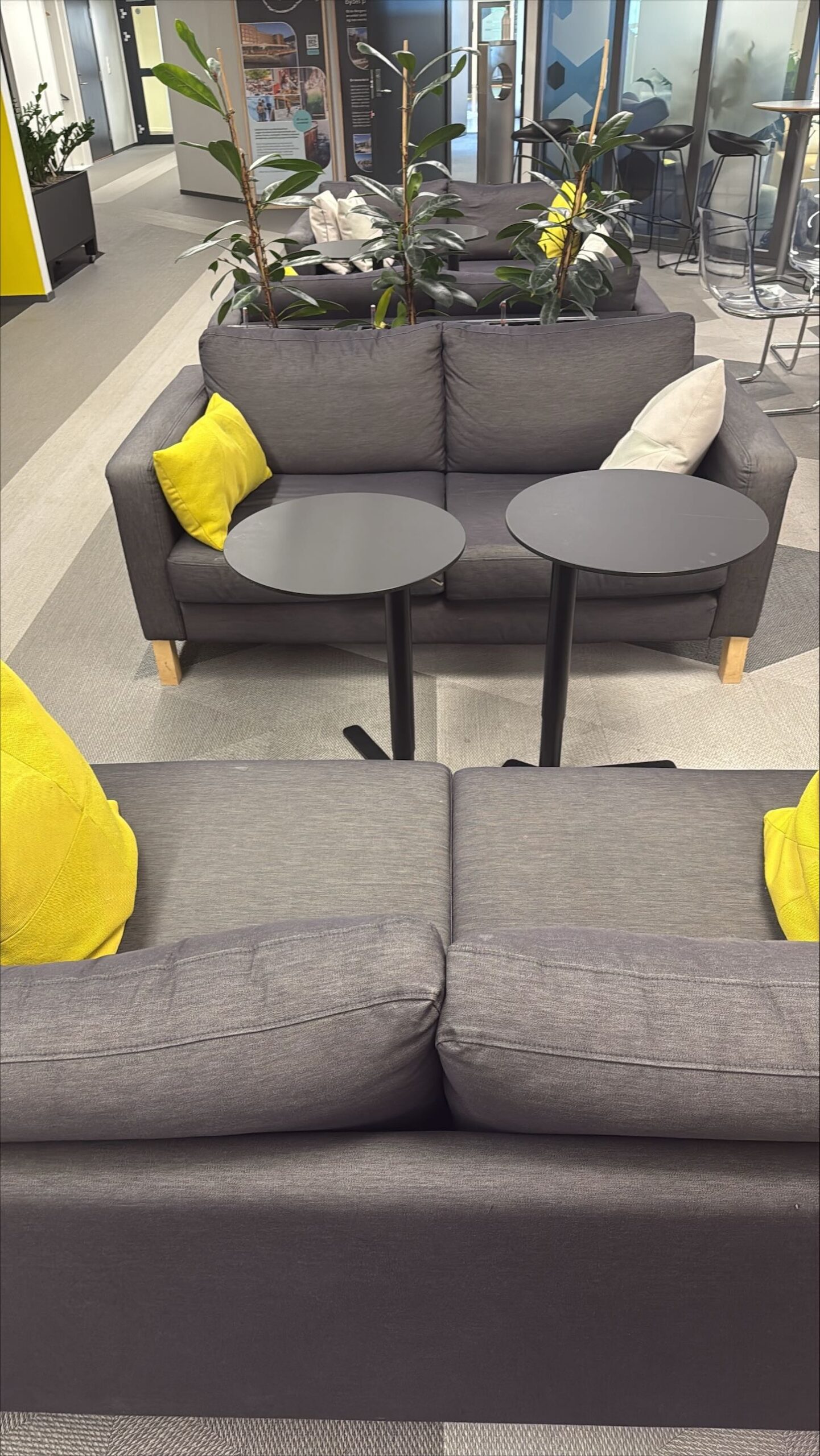
And then there is the guest and the employee — the ones who ultimately pass judgement. One of the very first things a person notices on entering a room is whether it is clean and well kept, or not. A well-kept environment does something to people: they want to preserve it, and they leave areas roughly as they found them. If it looks worn, stained or neglected, motivation drops — for the guest and for the employee who is supposed to look after it.
The expectation of interiors “as new” meets a working day where operations barely have time for the essentials.
Preventive protection closes the gap — for all three
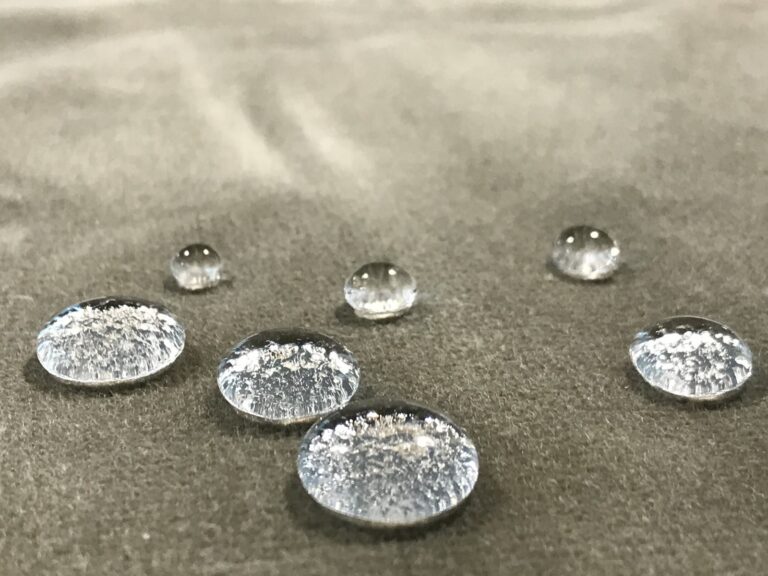
The beauty of preventive impregnation is that it solves the problem from all three sides at once, without anyone having to give ground. For operations, the working day gets easier: most spills bead off and are wiped away with water, permanent stains stop being a threat, and the time that used to go into fighting damage can be spent on other things. For finance, the lifespan of the investment is extended and the total cost over time goes down. And for the guest, the room stays bright, clean and inviting — the way it was meant to be.
What operations need most is also what finance wants most
Here lies what makes the decision easy to take all the way up to the finance department. Cleaning alone is maintenance — it restores a condition that was there before, and is booked as an operating expense in the year it is carried out. Impregnation is something else: it gives the furniture a property it did not have before, a lasting protection against liquid and dirt. In accounting terms this is a capital improvement, not maintenance, and can therefore typically be capitalised on the balance sheet. In other words: the measure that relieves operations the most is also the one finance would rather have on the books. It is not often the two interests point so clearly in the same direction.
Capital improvement or operating expense — in brief
Maintenance restores a condition. Booked as an operating expense in the year it is carried out.
A capital improvement adds a lasting property. Can typically be capitalised on the balance sheet.
The final accounting assessment is made by your organisation’s own finance department.
For the executive housekeeper, in concrete terms
Down on the floor, where the work is actually done, the gain looks like this: time spent on general maintenance is cut. Stains are removed with water instead of chemicals and deep cleaning. Permanent stains are no longer a constant threat to light colours and a well-kept look. What was meant to last gets to last — and the people looking after it finally have the tools to succeed.
When procurement, finance and operations for once want the same thing, the decision is no longer a trade-off. It is simply common sense.
Jo E.L. Lerheim
Managing Director, Fiber ProTector Norge AS
Frequently asked <em>questions</em>
<p>Impregnation gives the material a property it did not have before — a lasting protection against liquid and dirt. In accounting terms this is a capital improvement, not maintenance, and can therefore typically be capitalised on the balance sheet. The final accounting assessment is made by your organisation’s own finance department. Cleaning alone, by contrast, is maintenance.</p>
Impregnation gives the material a property it did not have before — a lasting protection against liquid and dirt. In accounting terms this is a capital improvement, not maintenance, and can therefore typically be capitalised on the balance sheet. The final accounting assessment is made by your organisation’s own finance department. Cleaning alone, by contrast, is maintenance.
<p>Because the working day gets easier: most spills bead off and are wiped away with water, permanent stains stop being a threat, and the time that used to go into firefighting can be spent on other things.</p>
Because the working day gets easier: most spills bead off and are wiped away with water, permanent stains stop being a threat, and the time that used to go into firefighting can be spent on other things.
<p>A well-kept environment does something to people: they want to preserve it. If it looks worn or stained, motivation drops — for the guest and for the employee. Impregnation keeps the room bright and inviting over time.</p>
A well-kept environment does something to people: they want to preserve it. If it looks worn or stained, motivation drops — for the guest and for the employee. Impregnation keeps the room bright and inviting over time.