
The best time to protect your interiors is the day they are new. The second best is today. If you missed the first, the opportunity is not lost — the road is just a little longer.
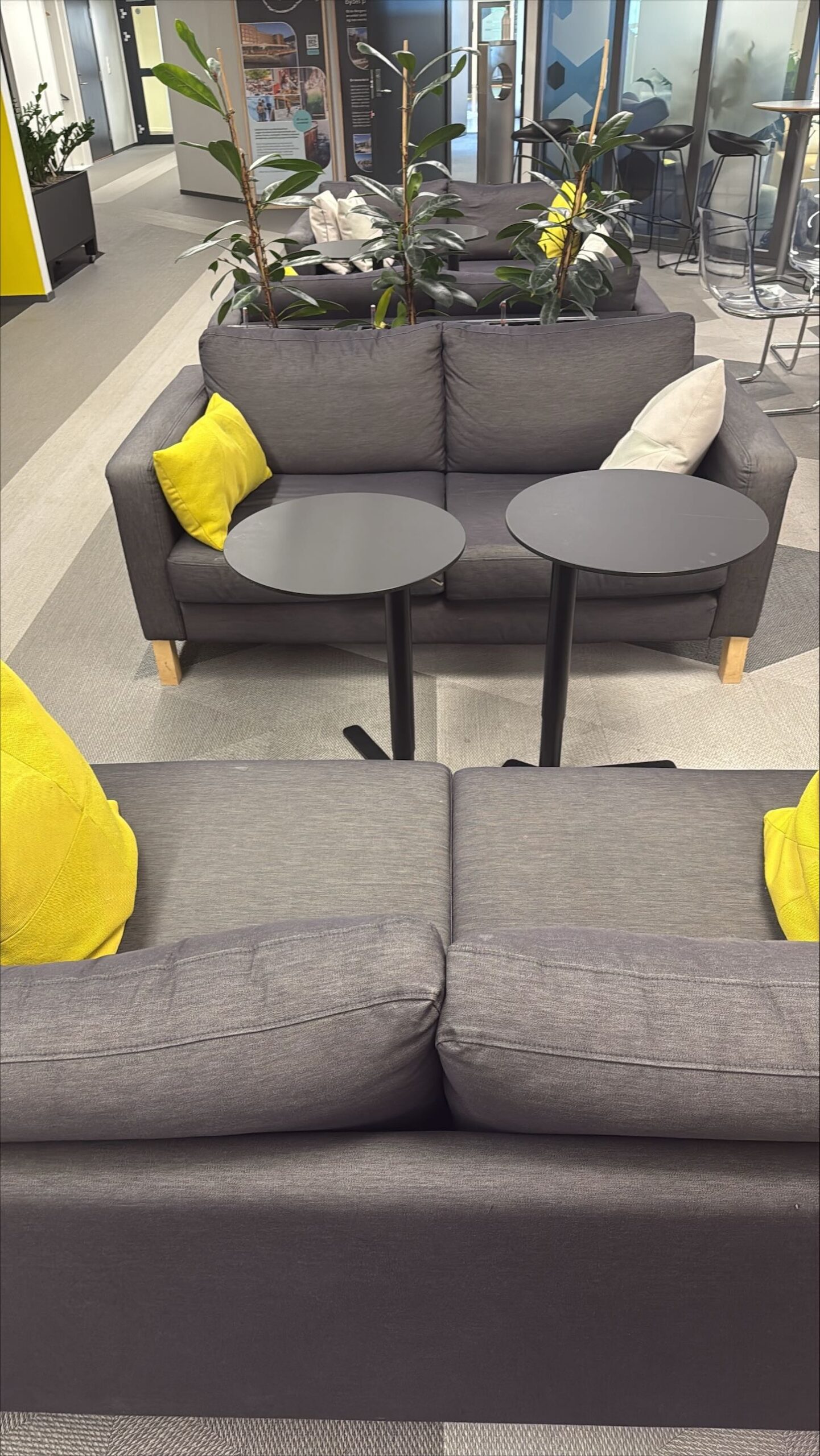
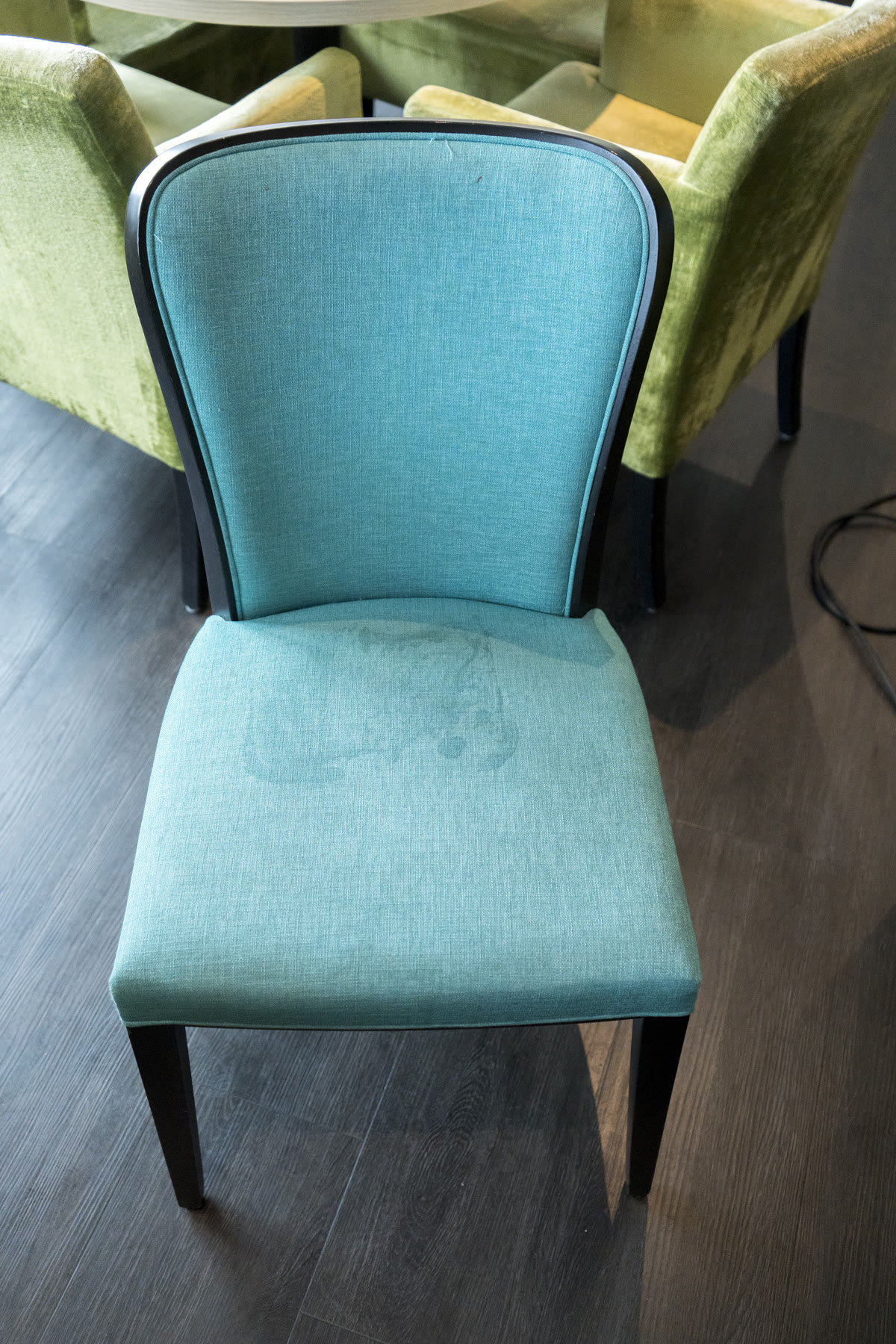
I meet many people who assume that ship has sailed: the interiors have already been in use for a few years, they show it, and impregnation “should have been done back when they were new”. But used interiors are rarely lost interiors. In the vast majority of cases we can bring them back to a clean starting point — and then protect them, just as if they were new.
The reset: back to the start
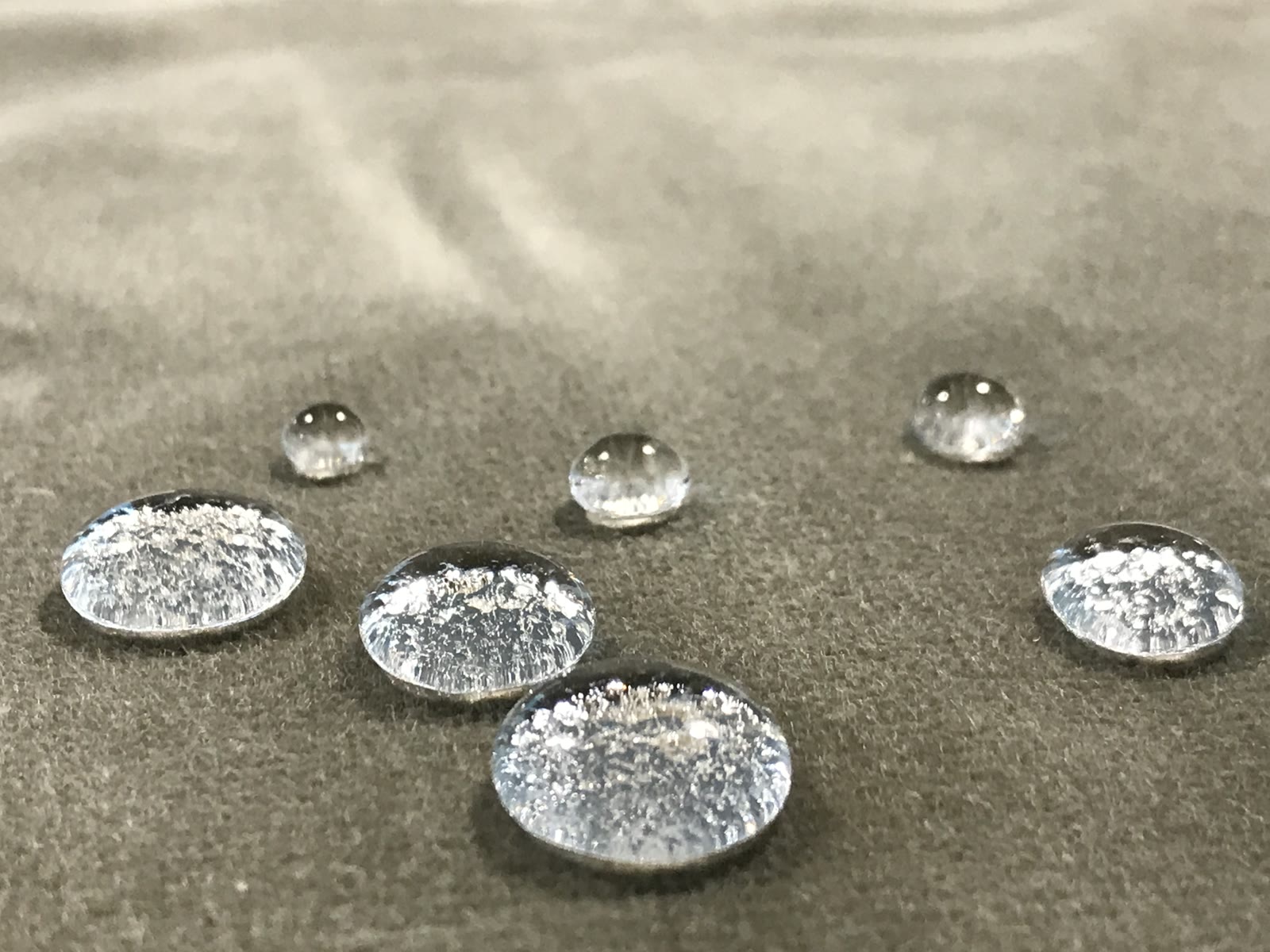
We call it a reset. First we clean the interiors professionally and draw out what has settled through use. Then we impregnate — and from that moment, the same benefits apply as for new interiors: liquid beads off, stains are wiped away with water, colours stay brighter for longer, and the lifespan is extended once again. A chair or a carpet that was heading for replacement can get many more good years.
Used interiors are rarely lost interiors.
Saving instead of replacing is sustainability too
This may be the most tangible sustainability action of all: taking something that was on its way to being thrown away, and giving it a new lease of life. No new production, no new transport, no new footprint — just more value out of what already exists. And along the way, operations stop spending time on interiors that never quite get clean, while the guest once again meets bright, inviting surfaces.
And it counts on the bottom line too
When we clean and then impregnate a used piece of furniture, we give it a property it did not have before. That means the treatment can be handled in the accounts as a value-adding capital improvement of an existing asset — not just as an expense. Cleaning alone is maintenance; cleaning followed by protection is an investment in a longer lifespan. The difference is worth knowing when the budget is being set.
Request a free assessment
We get in touch, look at your interiors and propose a plan.
So if you have interiors you are fond of, but they have started to look worn: do not replace them before you have asked us whether they can be saved. Most of the time they can. It is almost never too late to look after what you have.
Jo E.L. Lerheim
Managing Director, Fiber ProTector Norge AS