
The seat never gets a break — the protection takes the strain
Thousands of passengers a day, wet winter jackets, coffee spills and hair grease. We've delivered impregnation and seat cleaning since 1995, keeping seats presentable throughout their service life.
Projects:






Two decision-making roles, completely different needs
Operator — you run the fleet every day
You run the rolling stock day in, day out. Passengers board and alight every minute, every hour, every day, and the seats take all of the strain. You're responsible for keeping the carriages and buses clean and presentable, but rarely own the interiors yourself. The maintenance window is short: cleaning happens at the depot overnight, or between departures at the terminus.
What we do for you
We treat the seats with Fiber ProTector impregnation, so liquid, grease and dirt don't soak into the fabric. The treatment stands up to the tough Scandinavian everyday and suits every seat type — textile, leather and faux leather. In public transport rolling stock, the load is far heavier than in a hotel or office. We therefore count three years as the normal re-impregnation interval, against five years in gentler environments. With a service agreement, we follow the fleet through its rota and renew the protection before it's used up.
In practice, that means for operations:
- Depot staff get training and written instructions
- Faster cleaning at the depot — stains are removed with warm water and a cloth, no special chemicals
- Fewer unsightly seats between major deep-cleaning rounds
- Up to 50% longer life for the seat covers, and fewer repairs and cover replacements
- Doesn't affect the seat's flame-retardant properties
- Less dust and particle release, and better air quality in the carriage
We plan the treatment around the vehicles' rota and do the work at the depot, as agreed with you. The fleet is ready for the next morning rush.
You don't sell transport, you sell trust that the next departure will be fine too
Your maintenance window is measured in minutes, not hours.
A passenger who has chosen to leave the car at home makes that choice again every single morning. What decides it is rarely the minutes — it's whether the carriage felt good to sit in. A seat with someone else's stain on it is a small reason to consider the alternative.
The interior is what the passenger actually touches during the journey.
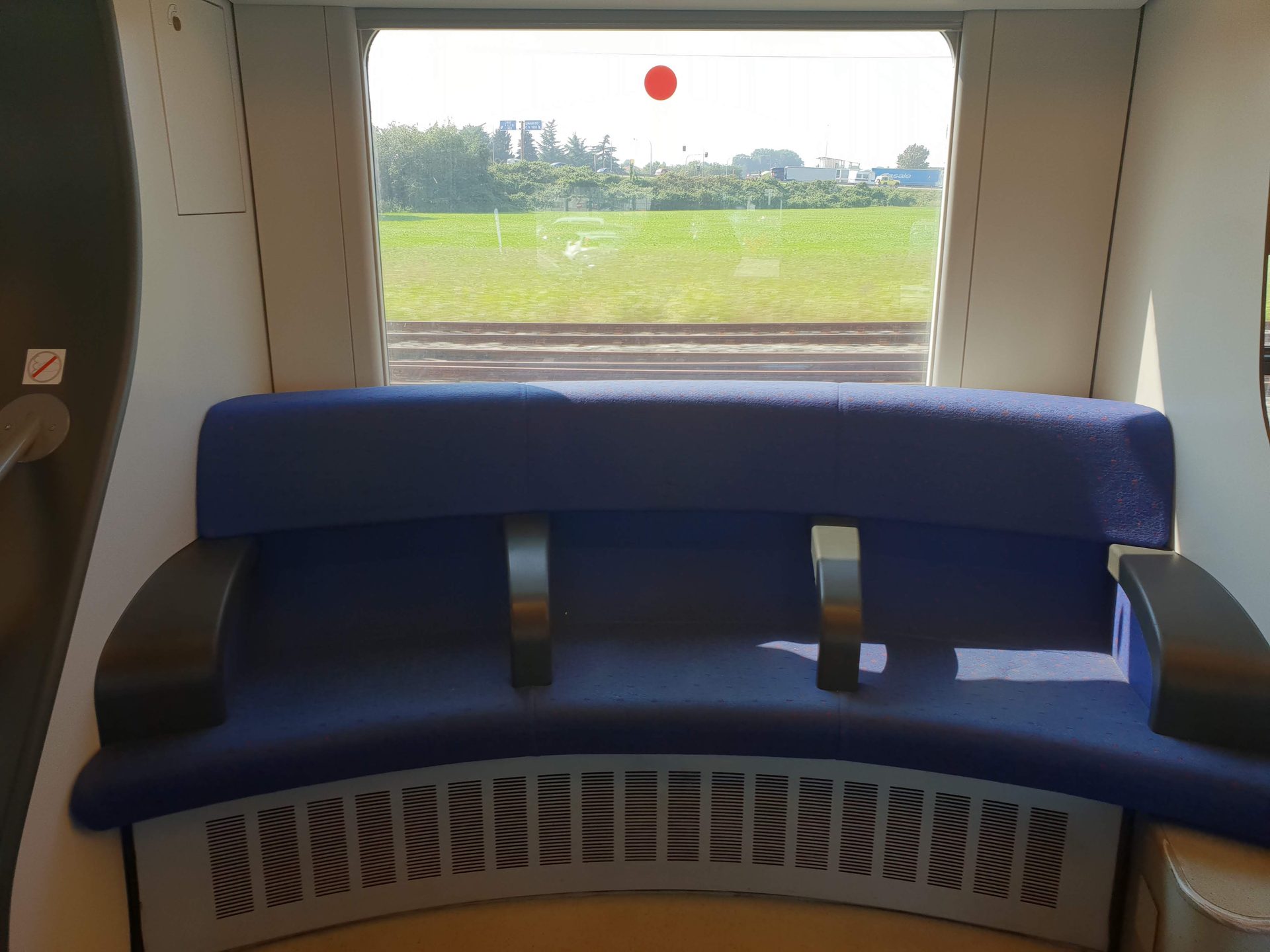
Impregnation and seat cleaning in public transport
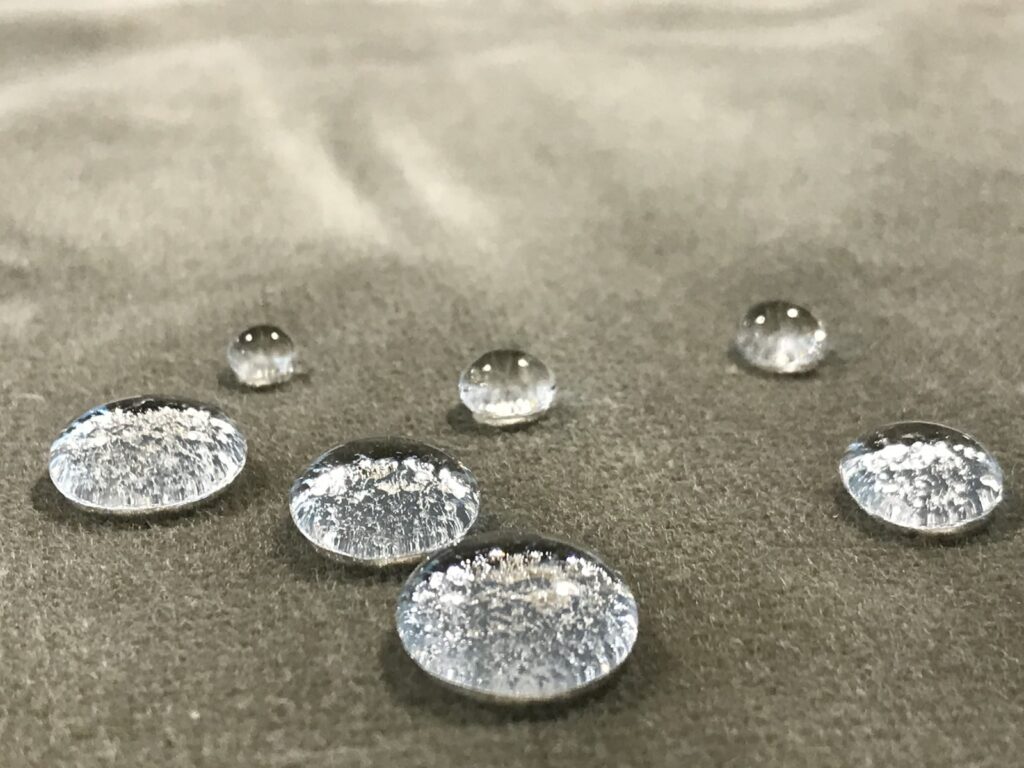
Protection that stands up to a hard life
An invisible molecular layer that stops liquid, grease and dirt from soaking into the seat cover. Holds through heavy passenger loads — up to 50% longer cover life.
- Flame retardancy intact, EN 45545-2 passed
- Dedicated products for textile, leather and faux leather
- In public transport rolling stock we count 3 years as the normal re-impregnation interval (against 5 years in gentler environments). With a service agreement, we renew the protection before it's used up.
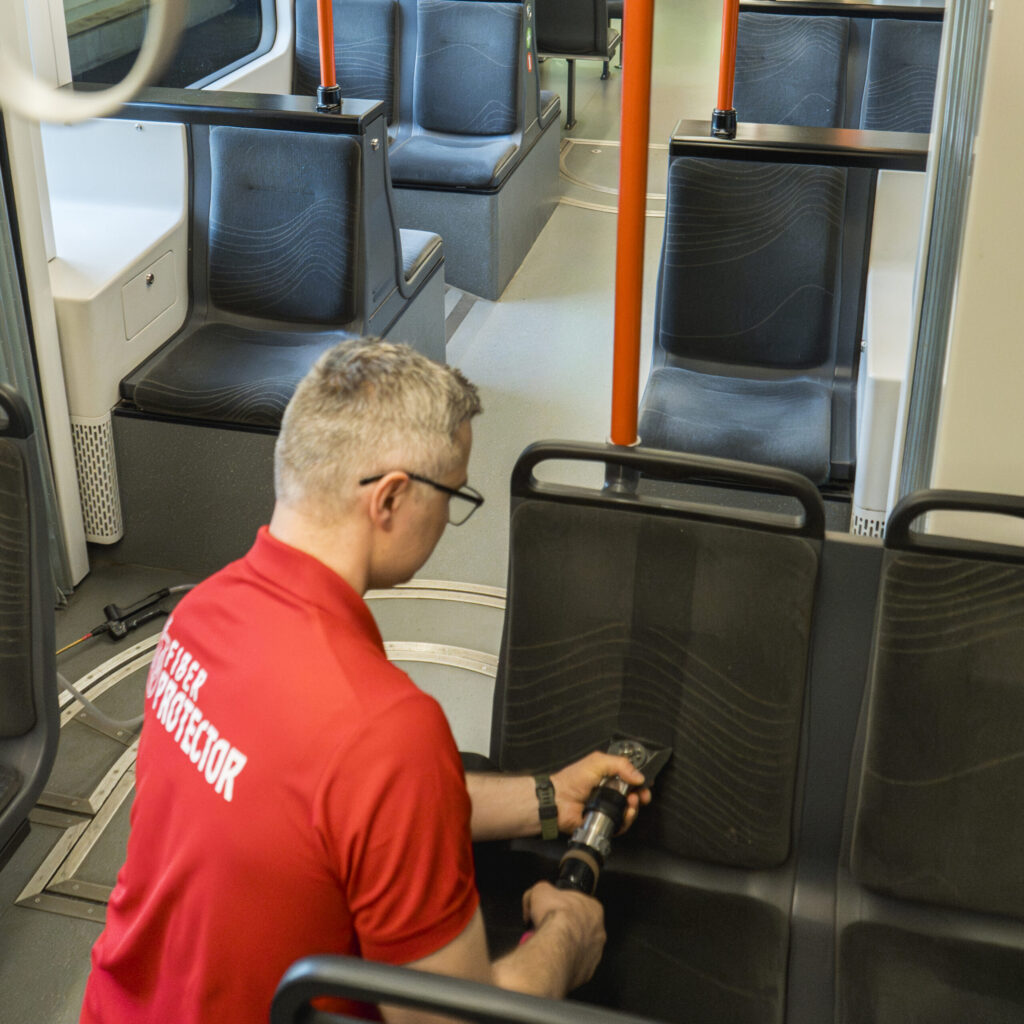
Resetting rolling stock in long service
Dark headrests, greasy armrests and discoloured covers are cleaned right down to the base at the depot — the fleet feels up to date without a mid-life replacement.
- Fresh colours and a clean look
- Should be followed by re-impregnation
- No new deep clean needed for around two to three years
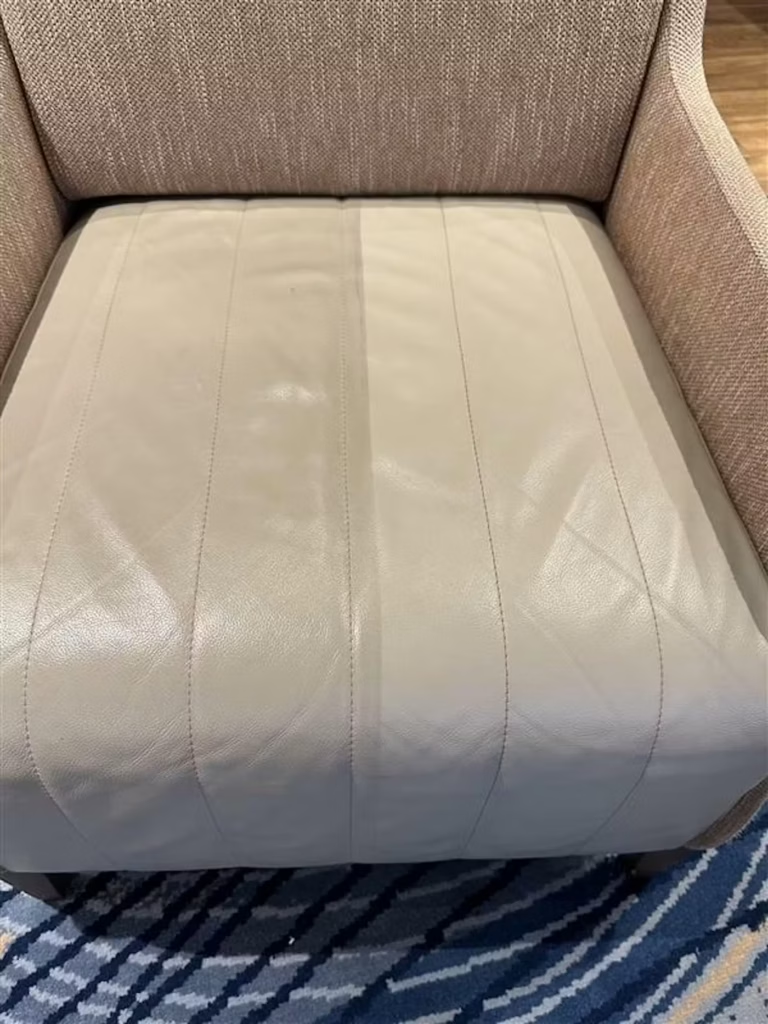
Restoration instead of replacement
Furniture too worn for deep cleaning and too good to discard, we restore. It comes back with fresh colours and a near-new look.
- The furniture that is neither new nor broken
- Back to the same customer or on to a new one
- Extends the lifetime instead of replacing
- Send us a photo and we will assess the piece
See it on video
This is what the cleaning and impregnation look like in practice — three short clips from technicians on the job.
Carpet cleaning
Before and after treatment
Upholstery cleaning
Thorough deep cleaning
Impregnation
Protection that lasts
We know Scandinavian public transport
from the inside
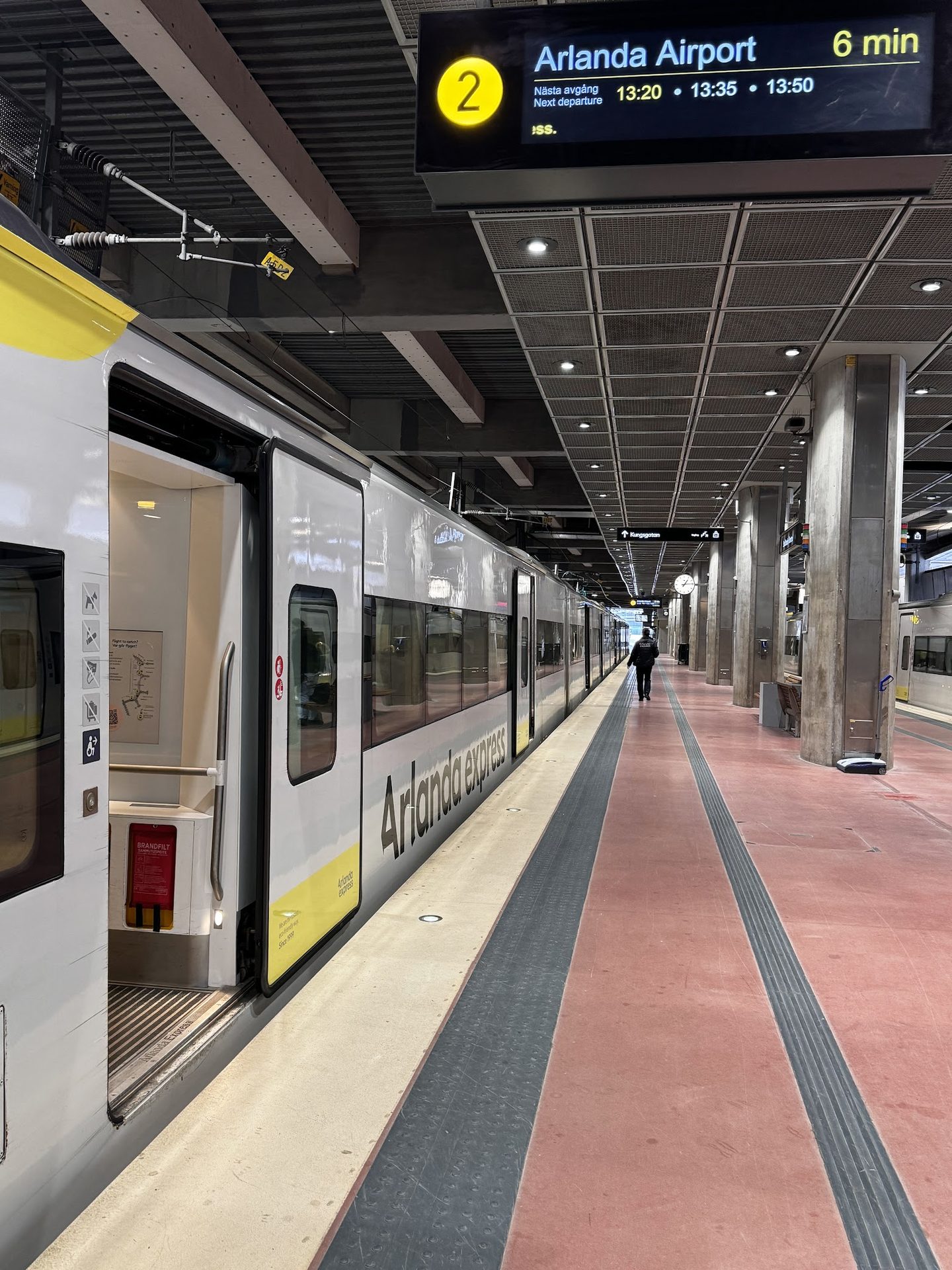
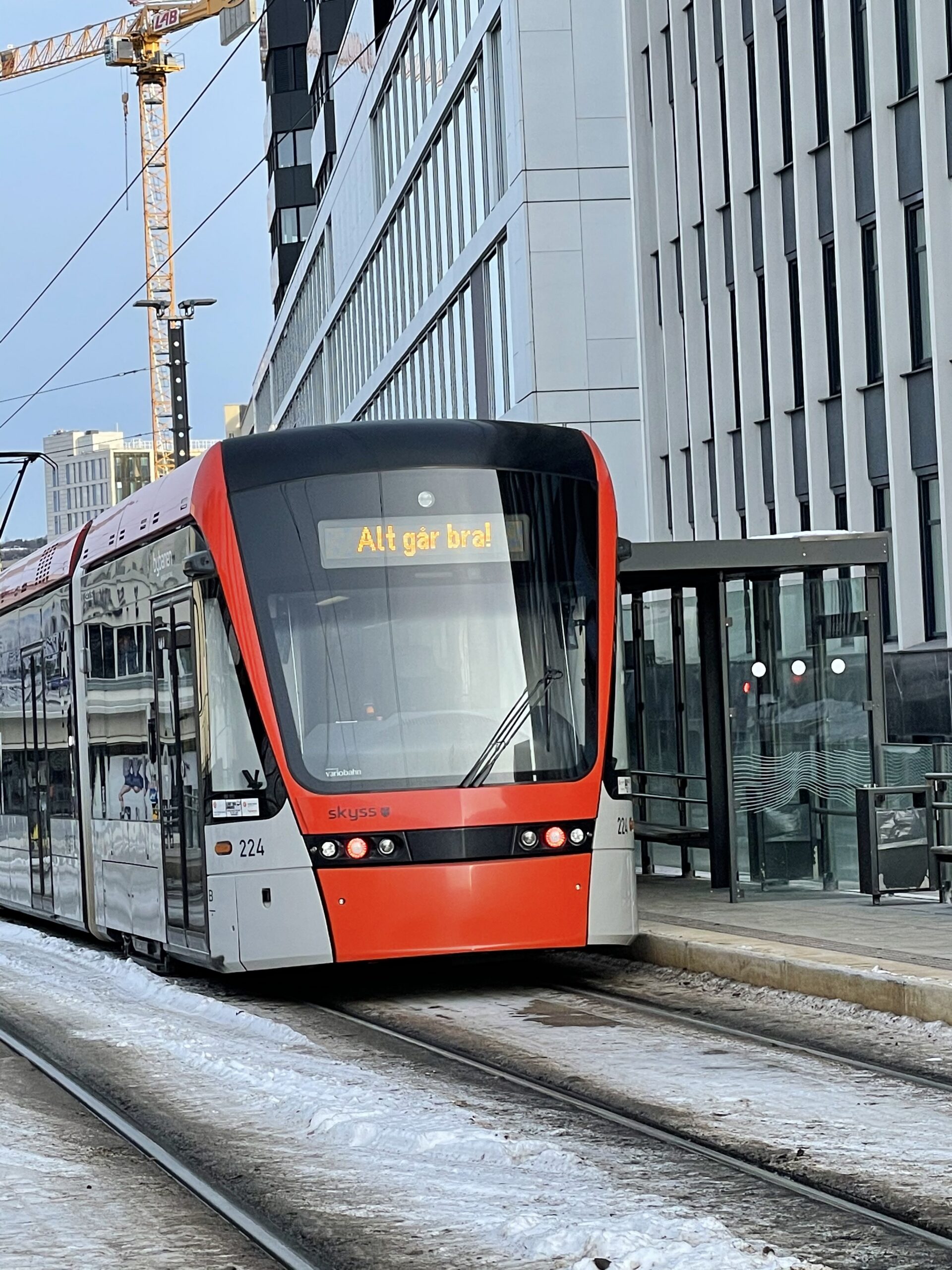
We have worked with some of the biggest operators in the industry — Ruter, Sporveien, Bybanen Bergen, Nobina and Arlanda Express — across local trains, metro, light rail, trams and buses. The technicians are certified by IICRC and WoolSafe.
Certifications that matter to you
Read more about our certifications



How we work in public transport
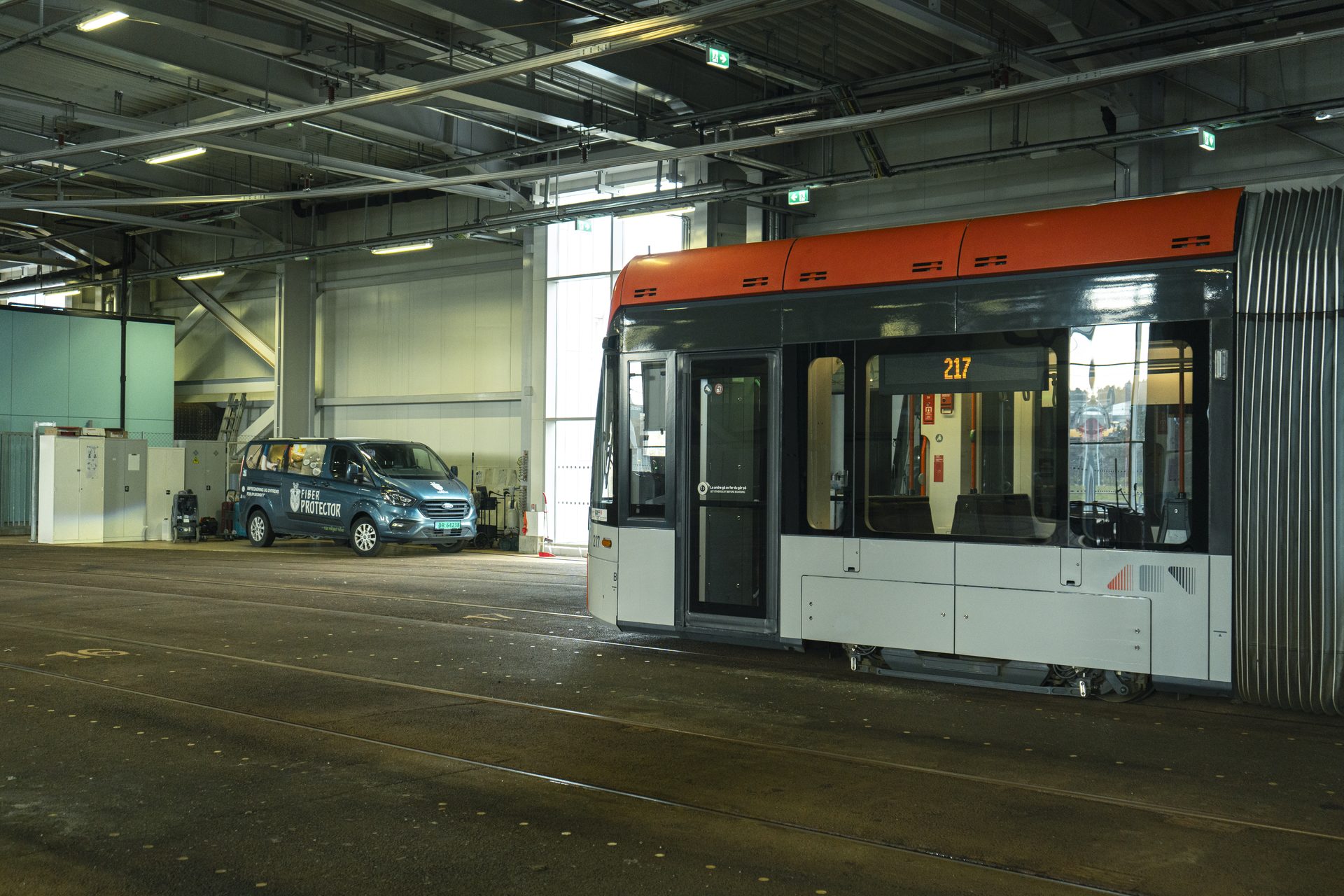
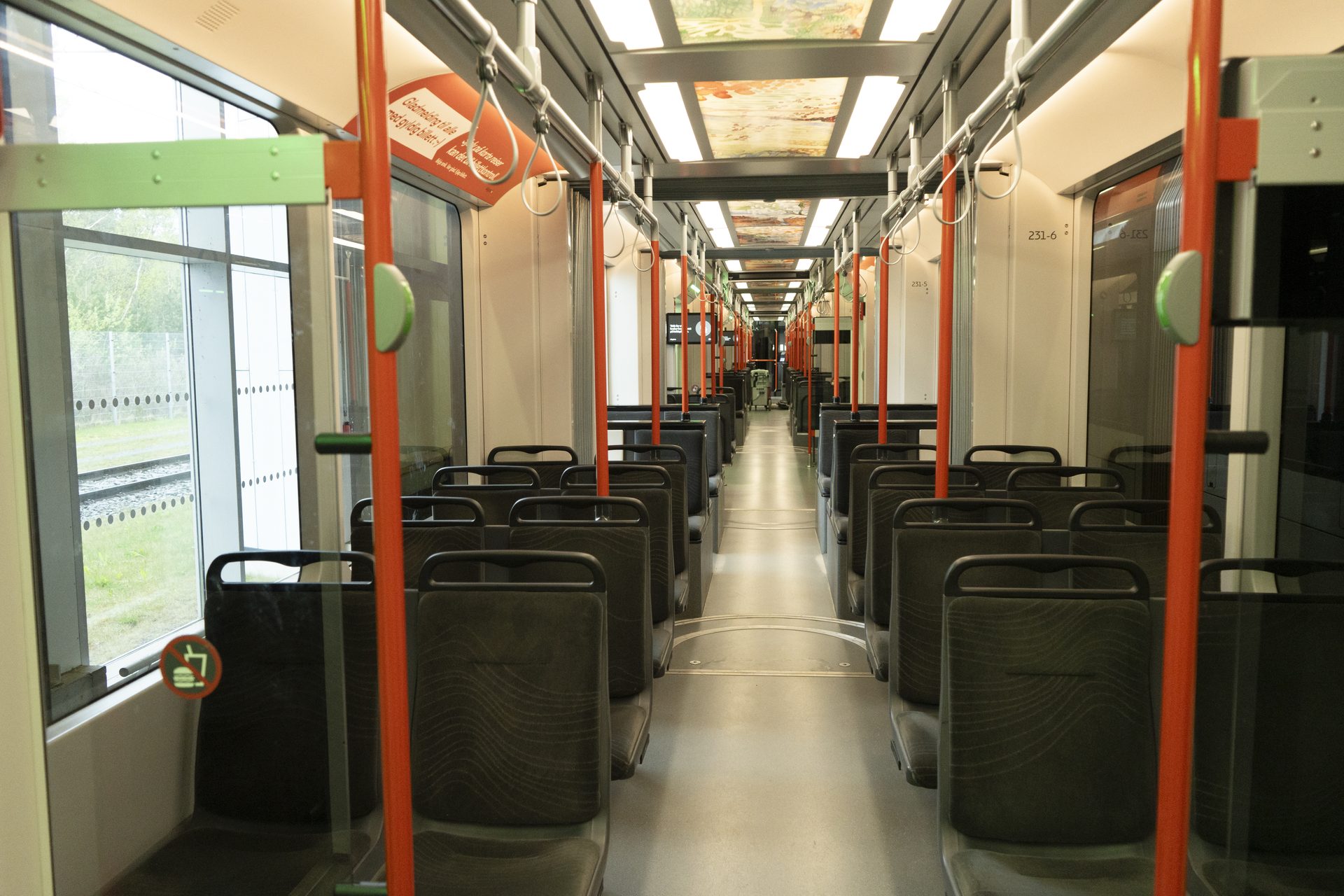
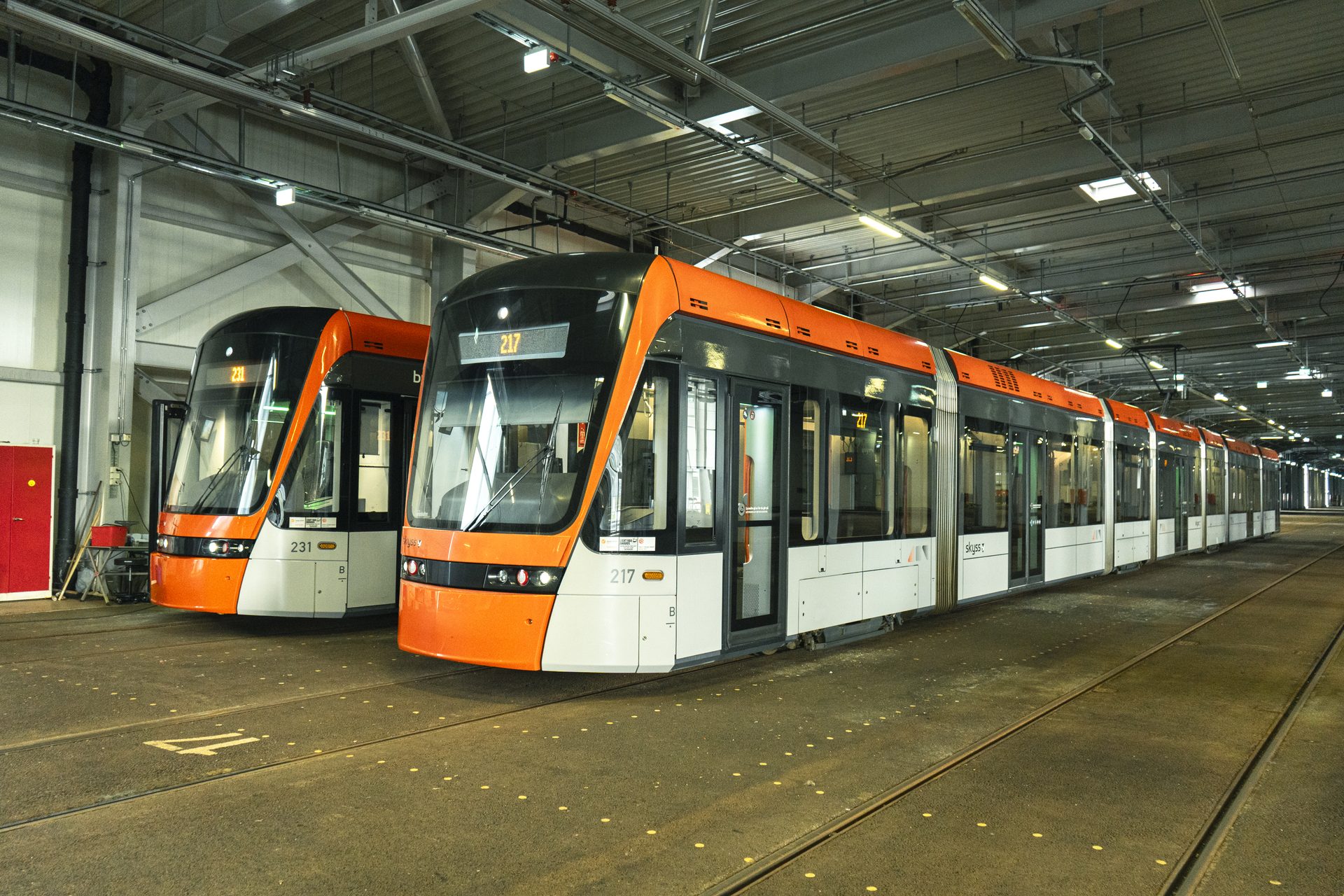
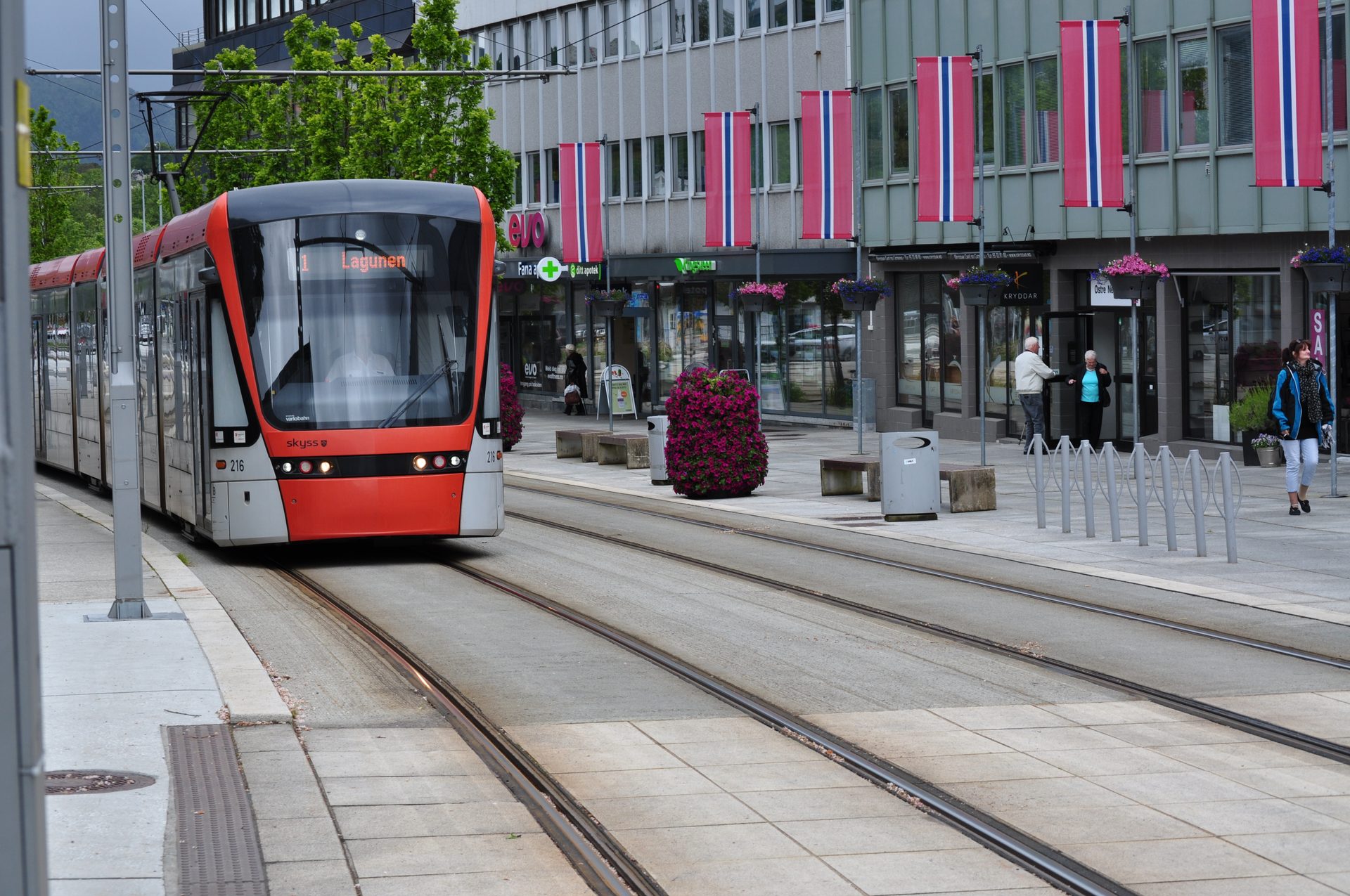
Real treatments from our transport projects in Norway and Sweden.
The difference is clear
Drag the slider to see how textiles and furniture can take on a cleaner, better-kept look after treatment.

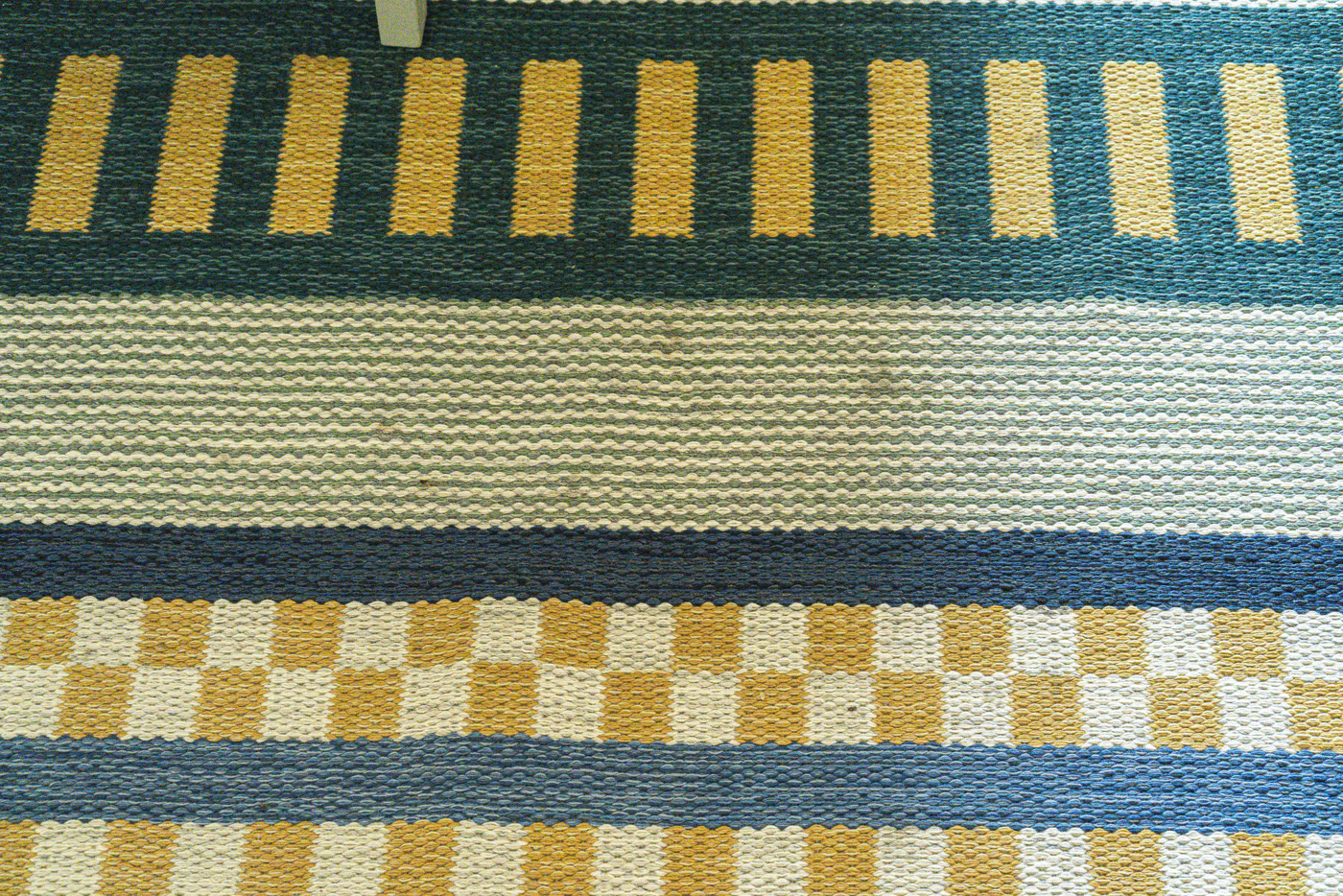
Carpet cleaning and protection
Flooring and textiles in carriages and buses take in everything dragged in from outside — sand, salt and road dust, especially in winter. Thorough cleaning combined with protection makes them easier to maintain at the depot.
- Removes even the most stubborn stains
- Restores colours and texture
- Extends the carpet's lifespan
Leather furniture cleaning and protection
Leather needs the right treatment to stay looking good over time. We treat leather furniture with dedicated formulas that preserve and extend the life of your leather interiors.
- Removes old stains and discolouration
- Protects against future spills and wear
- Gives leather furniture a clean, inviting look
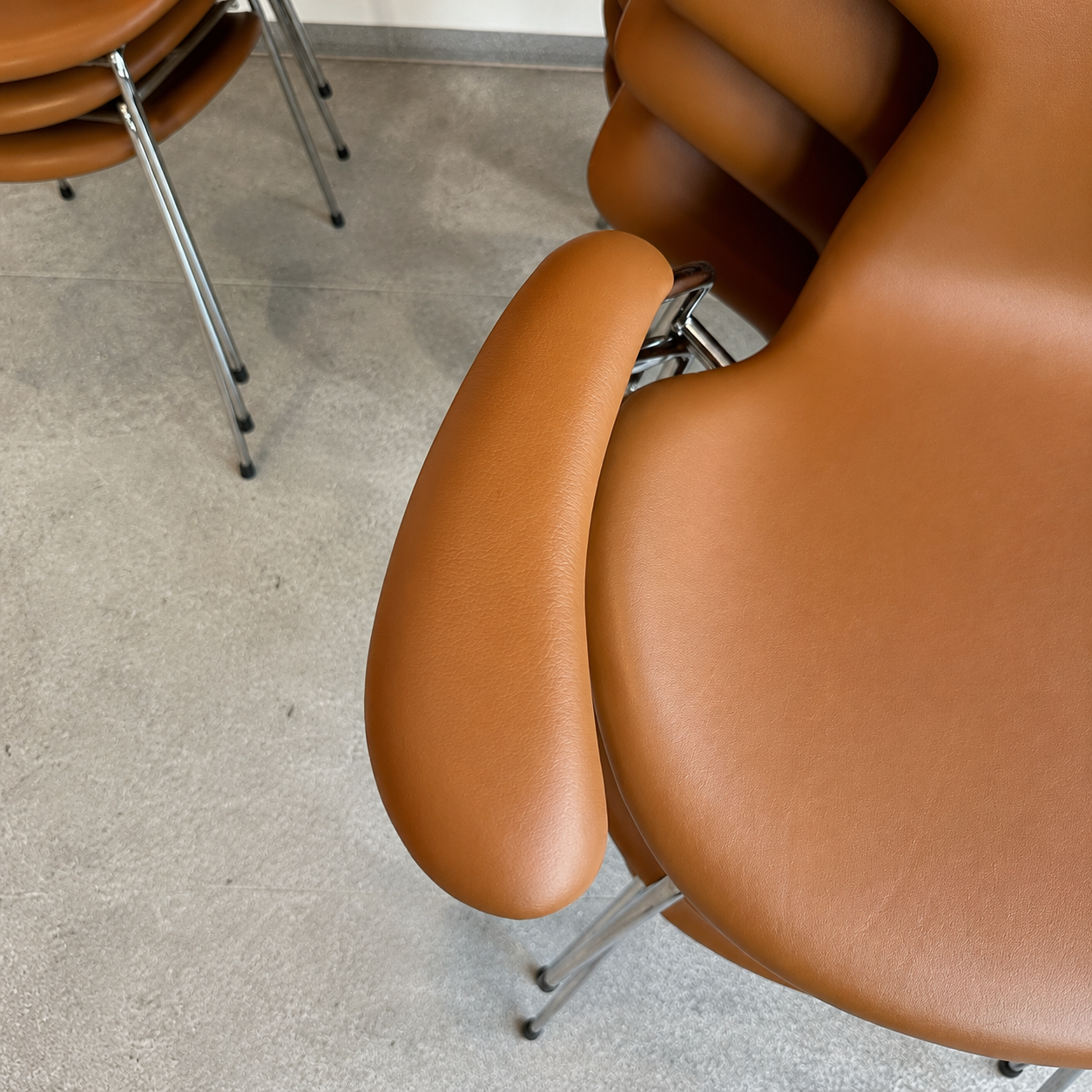
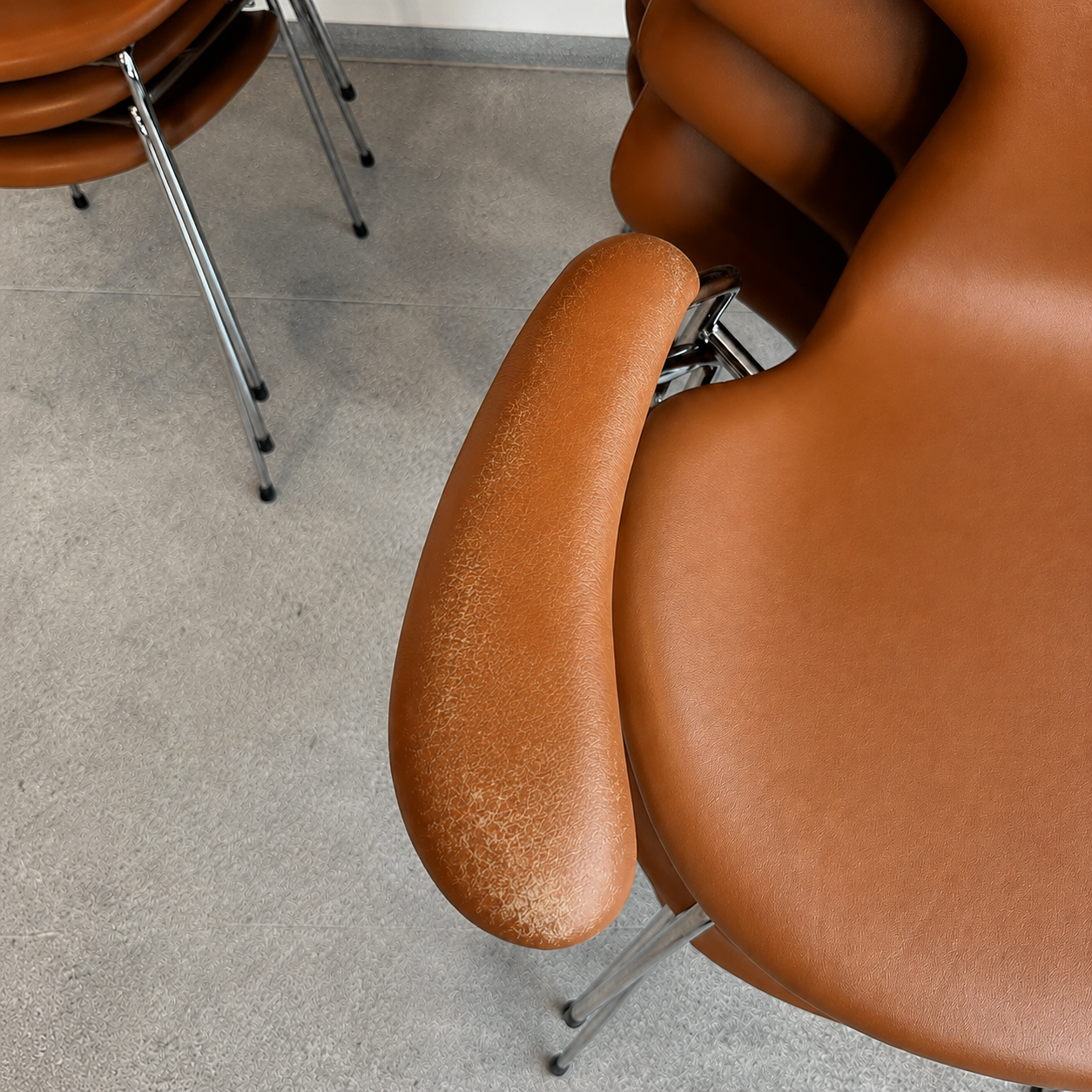
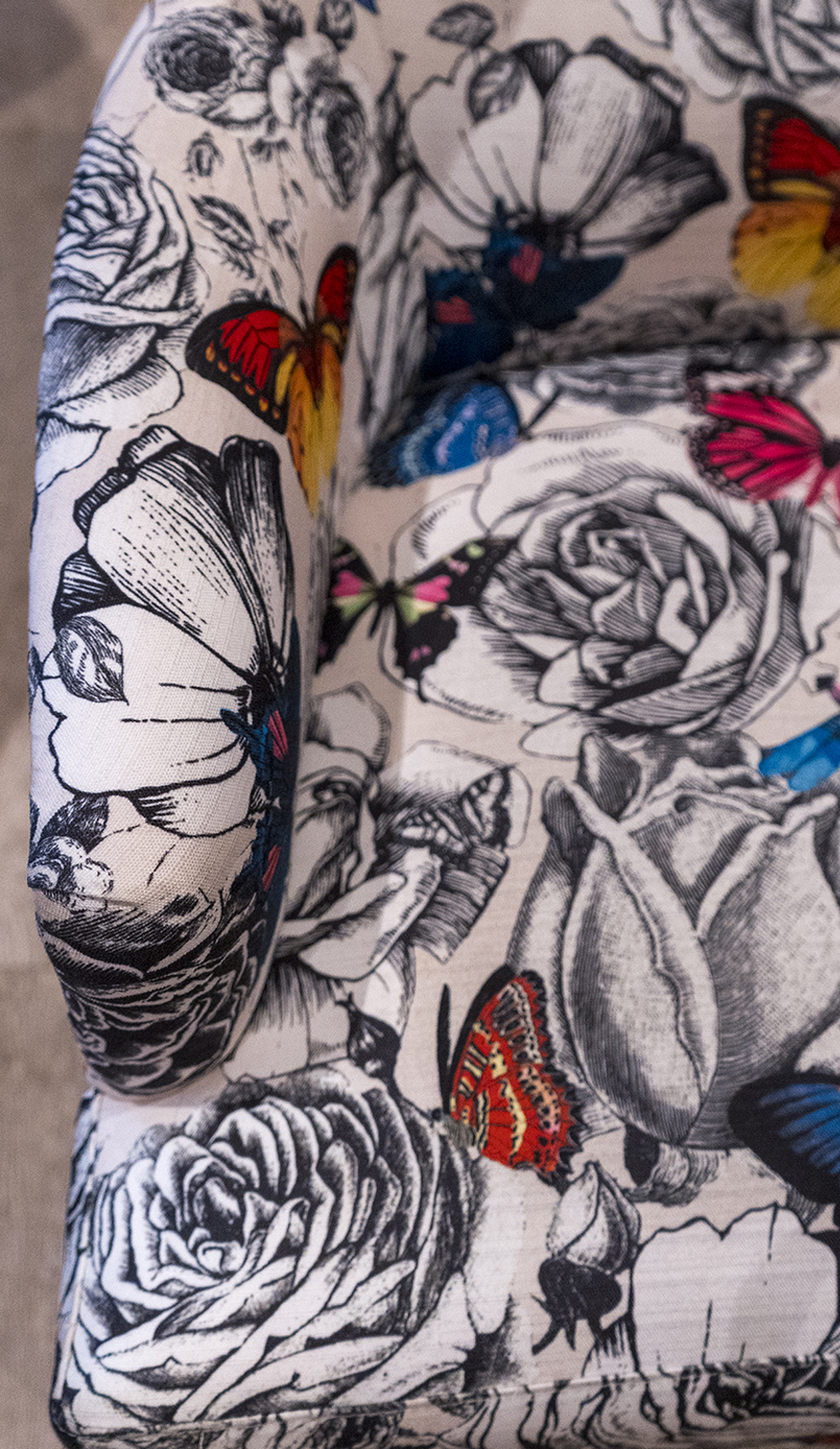
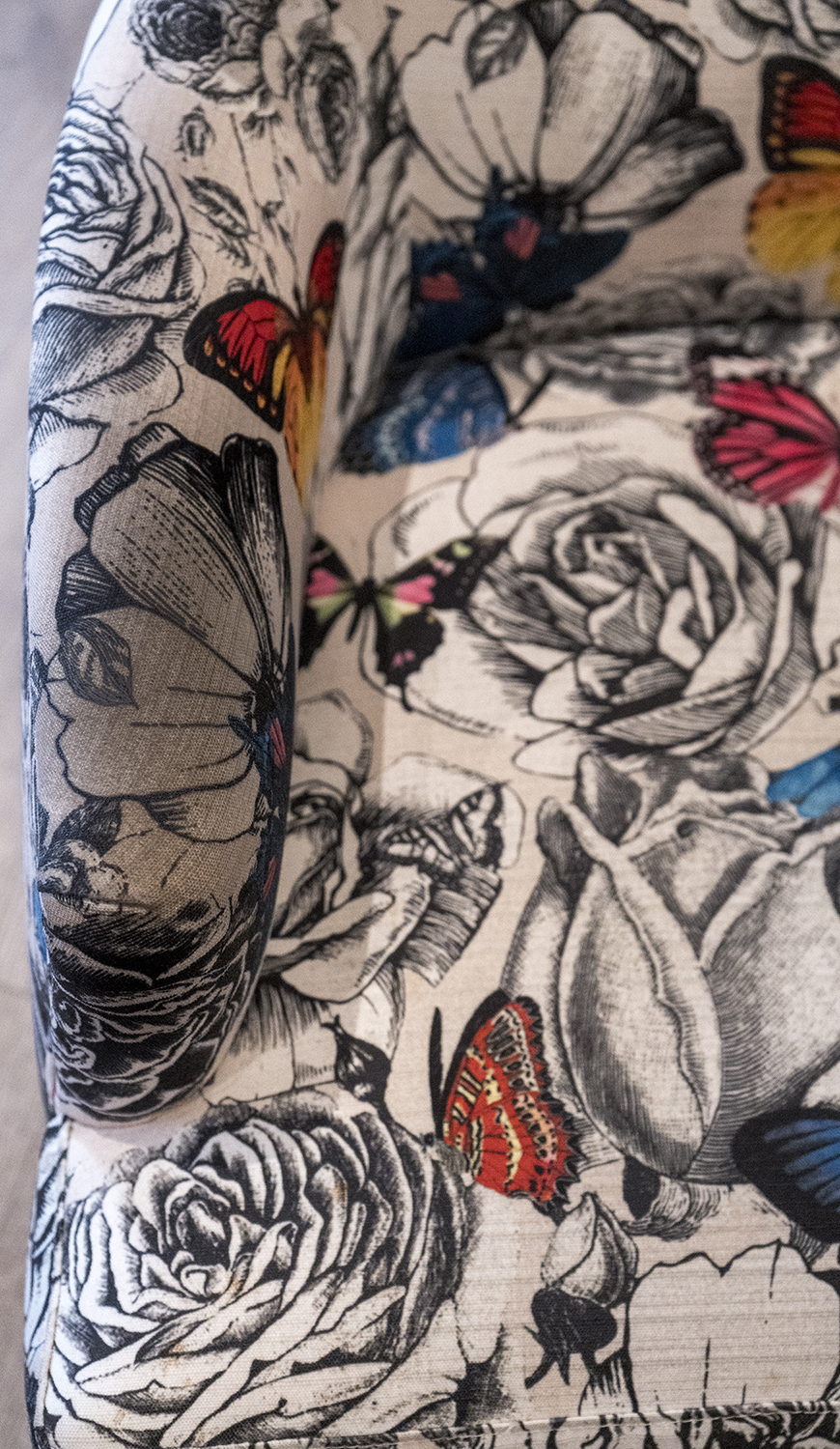
Chair cleaning and textile protection
We restore the chair to as close to new condition as possible, while protecting it against future stains and damage.
- Removes even the most stubborn stains
- Provides long-lasting protection against new dirt
- Significantly extends the chair's lifespan
Impregnation is an investment, not an operating expense
If this needs to go to finance, here is the argument — short, clear and ready to send.
Argument til økonomi
For procurement and finance: capital improvement vs operating expense
Vis detaljer
+
The difference between our two services
There is an important accounting difference between the two services we deliver, and that difference directly affects how the cost can be treated in your budget.
Impregnation gives the seat or the carpet a property it did not have before. An untreated surface has no protection against liquid and dirt. After Fiber ProTector treatment, that same surface has a new and lasting property: liquid beads off, dirt does not soak in, and the textile's lifespan is extended by up to 50% — provided the maintenance programme is followed.
In accounting terms this is a capital improvement, not maintenance. Under current accounting principles and generally accepted accounting practice, such improvements can be capitalised and depreciated.
Deep cleaning on its own, by contrast, is maintenance. Deep cleaning restores a condition that existed before, and must as a rule be expensed directly as an operating cost.
| Deep cleaning only | Deep cleaning + impregnation | |
|---|---|---|
| Accounting treatment | Operating cost (maintenance) | Capital improvement (can be capitalised) |
| Impact on the operating budget | Full cost in year 1 | Spread across the depreciation period |
| Effect on seat cover lifespan | No lasting extension | Up to 50% longer + service agreement |
| Need for re-treatment | Annually or more often | Every 2–3 years |
| Life-cycle cost (LCC) over the fleet's lifetime | Higher | Lower |
The final accounting assessment is made by your organisation's own finance department, in line with applicable accounting legislation and the relevant rules for your sector.
Fiber ProTector-treated rolling stock is:
Easier to clean
Stains come off with warm water and a cloth, no chemicals needed. Daily cleaning is up to 50% faster.
Better for the indoor climate
Less build-up of dust and particles in the fibres, and less strain on the ventilation system.
Resistant to UV
Reduced sun fading and colour loss over time. Colours stay fresh, even in rooms with plenty of daylight.
Hard-wearing
Reduced surface friction means less fibre breakdown from daily use and cleaning.
Longer lifespan
Up to 50% longer lifespan for textiles and carpets. The need for deep cleaning is postponed by up to 75%.
A documented environmental choice
Water-based and PFAS-free. WoolSafe Approved, BREEAM Exemplary and Nordic Swan Ecolabelled cleaning product.
From assessment to finished
Assessment at the depot
We evaluate the fleet, seat types and usage patterns, and give a concrete quote per unit and vehicle type.
Planning
We go through the job with you and agree when the work takes place. Your operation comes first.
Professional execution
Experienced, certified technicians with equipment dimensioned for rail and road vehicles.
Maintenance plan
A full report per unit, with fixed intervals matched to the fleet's life cycle and operating schedule.
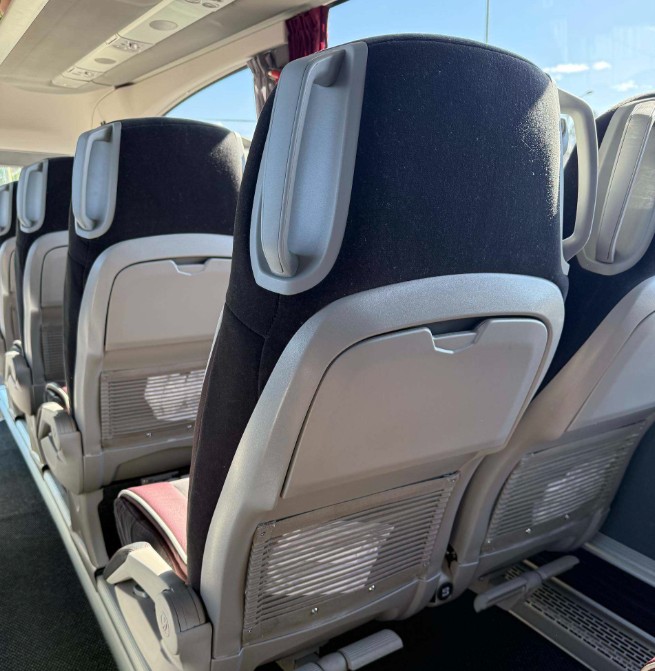
Why public transport companies choose Fiber ProTector
A seat on a train, bus or light rail vehicle is used by thousands of passengers every week, and the maintenance window is short. We work at the depot, planned around your rota and carried out as agreed, and train depot staff in daily stain handling. The treatment doesn’t affect the seat’s flame-retardant properties, and EN 45545-2 is passed.
- We work at the depot, fitted to your rota
- Depot staff get training and written instructions
- Flame retardancy intact, EN 45545-2 passed
- Treatment report and documentation per unit
- We know the tender cycle in the public transport sector
What our customers say
Excerpts from reference letters and recommendations from customers in this industry.
See more references
The staff couldn't believe it could be that easy — we save a lot of time with this product.
Hasse Edström
ISS TraffiCare AB
Göteborg
Book an assessment for your fleet
Fill in the form and we'll be in touch with a free, no-obligation assessment.
We treat all enquiries in confidence.